Active LearningArts in EducationBehind The Scenes
Why Investing in Curiosity Matters for Australia’s Future
Australia debates literacy rates, attendance figures and workforce readiness. Meanwhile, a quieter question goes mostly unasked, and its answer matters more than we might think.
What happens when we stop investing in curiosity?
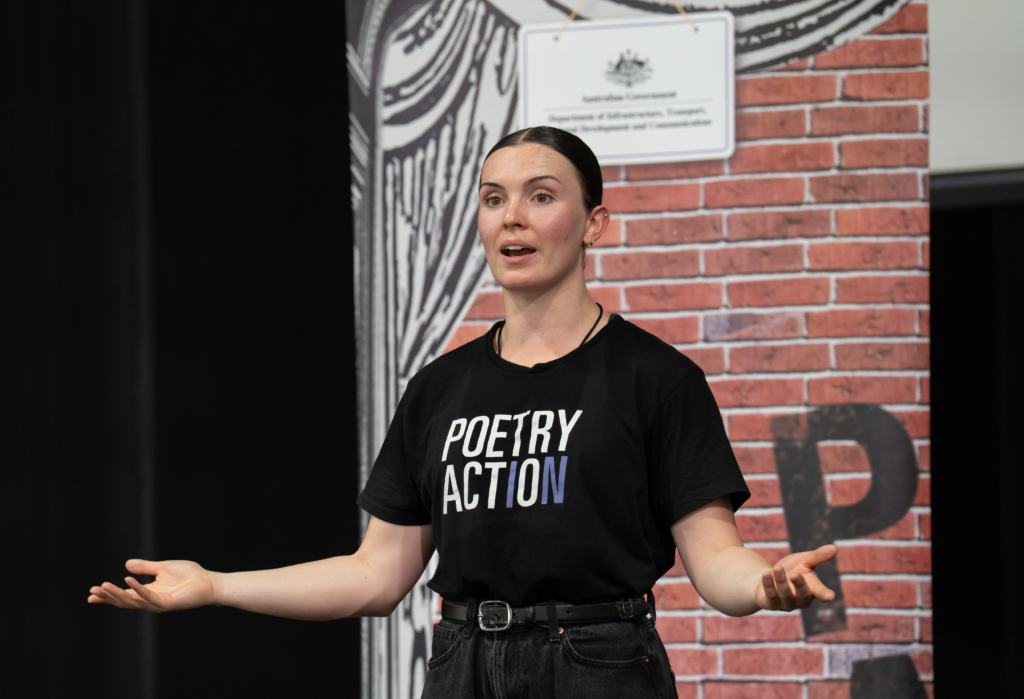
This year, students from Kingdom Culture Christian School sent a handwritten card to the Poetry in Action office after watching a performance exploring the work of Wilfred Owen.
Reading through the dozens of responses, one thing kept surfacing: The students had expected to be bored. Many students admitted they expected poetry to be hard, irrelevant or simply not for them – at least, that was the assumption they arrived with.
By the end of the performance, they described feeling immersed, understanding something complex and connecting emotionally with experiences far removed from their own lives.
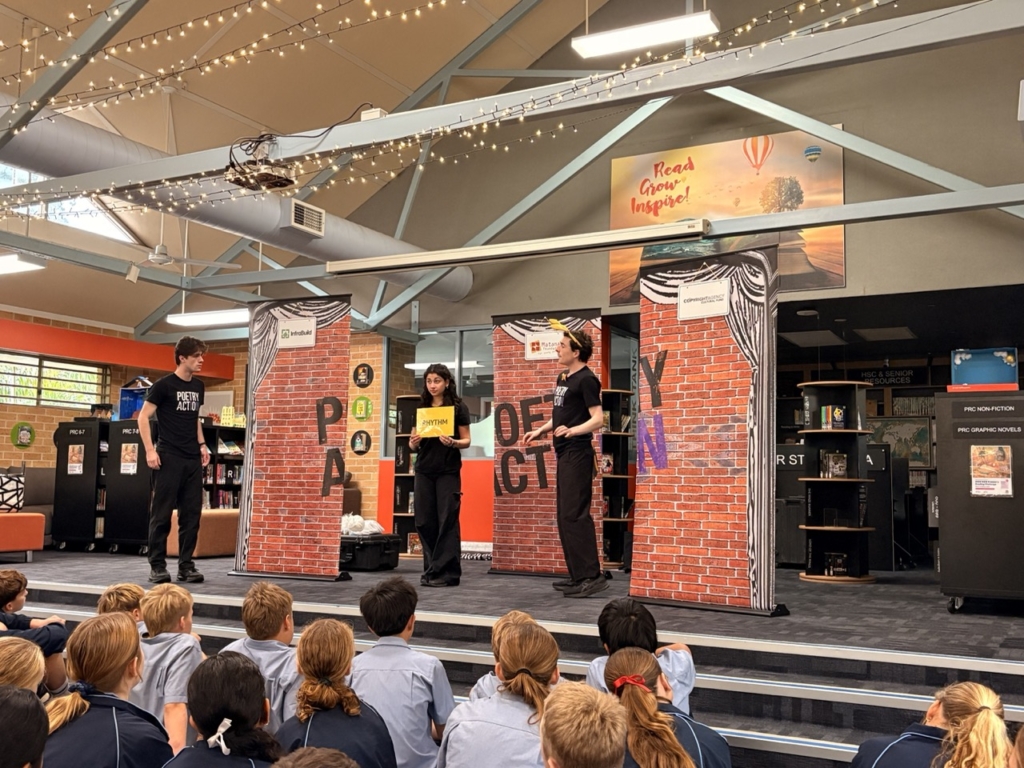
That shift from reluctance to genuine engagement is more significant than whether a student can recite a verse six months from now.
It speaks to something more fundamental than curriculum outcomes. It speaks to curiosity, a willingness to engage with the unfamiliar, the confidence to sit with a new idea, and the discovery that learning can be as enjoyable as it is challenging.
These are qualities that regional communities have long understood, even if the policy conversations rarely name them. Regional Australia is built on adaptability: communities respond constantly to changing industries, shifting climates and unpredictable economies. That resilience has always come from people who learn, think differently and try new approaches.
And yet curiosity does not develop in isolation. Experiences spark it: a teacher introducing an unexpected concept, a local coach mentoring young people after school, a visiting artist, a performance or a conversation that opens a door you didn’t know was there.
Why these opportunities are becoming harder to access
What’s concerning is that those doors are becoming harder to find, particularly outside major cities. Schools face increasing pressure, while community organisations work with fewer resources than ever. Funding for the arts and extracurricular programs – for anything that might be considered an ‘extra’ – is becoming increasingly precarious. The experiences that build creativity, confidence and communication are too often treated as optional rather than essential.
FROM THE STUDENTS’ LETTERS
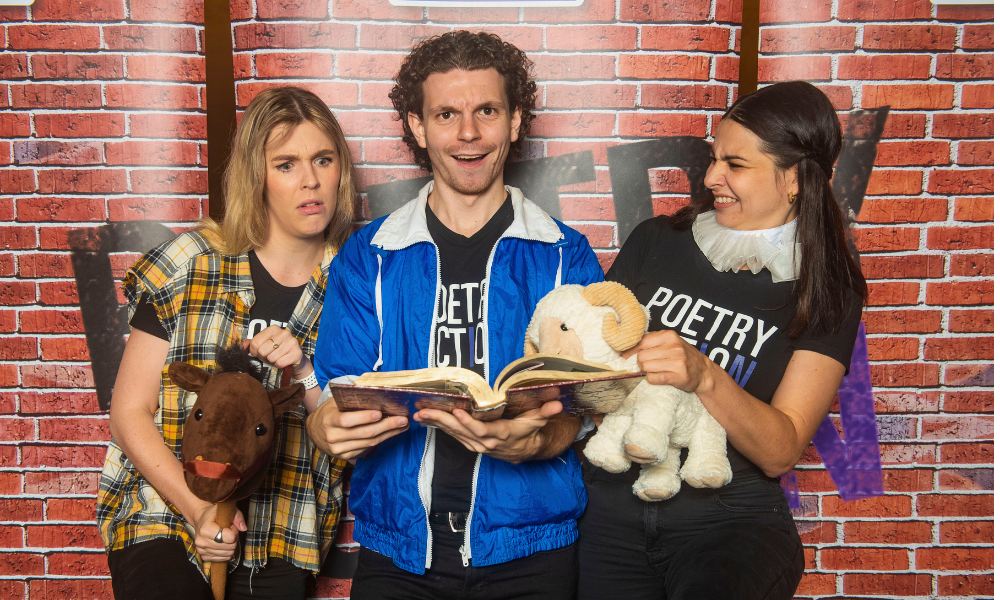
Their responses show that students care less about writing poetry itself and more about what they discovered through the experience. They are thinking about something broader: empathy, connection, and the freedom to face unfamiliar experiences and develop new perspectives. Of course, these skills will serve students well as they move into the workforce, but their real value lies at the community level, helping people remain connected across generations as they navigate a constantly changing world together.
Perhaps that is why the card resonated so strongly. The card reminded us that while we measure educational outcomes through scores and statistics, we can rarely measure the moments that shape a young person’s future. A spark of curiosity. A new perspective. A belief that learning can be something you look forward to. Those moments may not appear in a data set, but they accumulate. They shape the kind of adults we become, and communities we create.
If we want strong regional communities for the next generation, they are worth fighting for. A child’s postcode should never determine whether they can experience that spark of curiosity.
Written by Dee Rennie – Head of Impact and Engagement