Active LearningArts in Education
literary characters that have stood the test of time
Poetry in Action 2026 Ambassador Alex Wharton spoke with Kristy Reading for ABC New England North West Breakfast to discuss beloved characters from literature.
The English word “character” traces back to the Ancient Greek word charaktêr and it means a stamping tool or an engraved mark on a coin. This idea of stamping something into history, engraving it in our memories and having a lasting impact reflects everything ranging from children’s fairy tales to classic pieces of literature.
Lady Macbeth
Macbeth by William Shakespeare
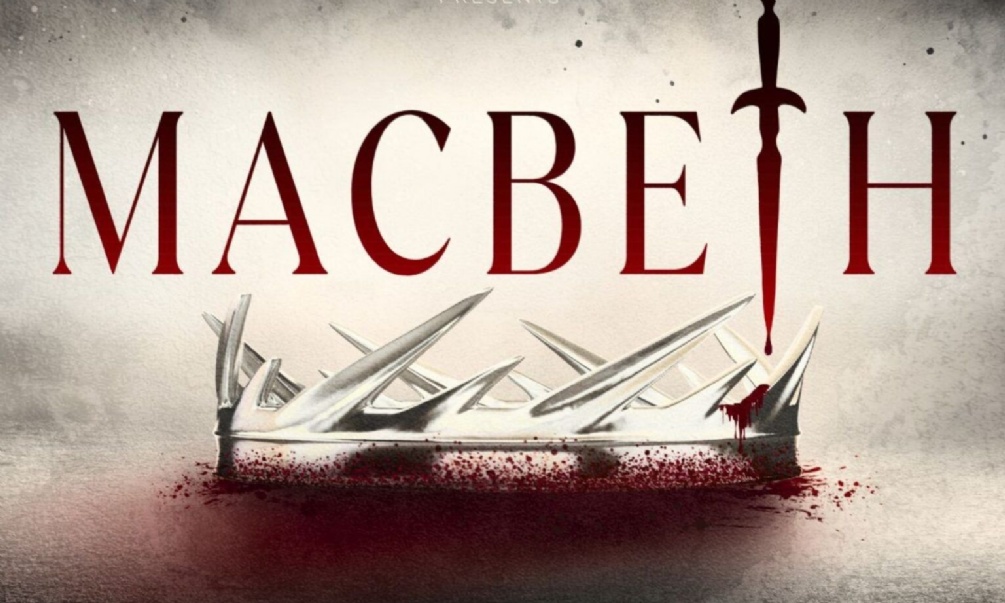
Lady Macbeth embodies an amazing architect, an incredibly strategic thinker especially for the time. This play was first performed in 1606 and Lady Macbeth as a character subverts the gender expectations of her era. She’s the engine plot of the play. When we talk about characters that have an impact on us, we look at the nature of being impacted by storytelling; being drawn into something, another world, but being able to enjoy that from your armchair. Think about her isolation, and that famous line, “Out, damned spot! out, I say!” (Act V Sc 1) when she’s thinking about the consequences of her actions. As a character she has an incredibly lasting impact in a play that’s supposedly about someone else.
Elizabeth Bennet
Pride and Prejudice by Jane Austen
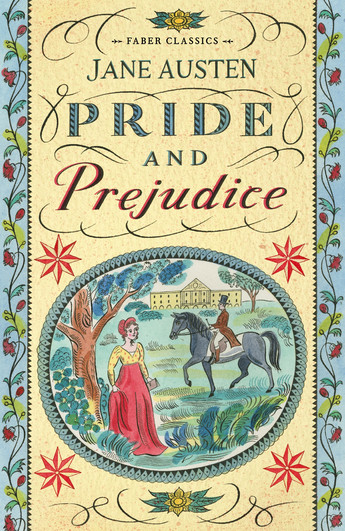
2025 marked the 250th anniversary of Jane Austen’s birth and characters including Elizabeth Bennet, even to Jane Austen herself, are so universal, in large part due to the coming-of-age motif. Every single person goes through this development and transition from being a child to being an adult in their life. Lizzie Bennet’s character would be one of the most commonly referenced, adopted and appropriated characters of all time. Characters like her stand the test of time because they’re memorable, often a paradox and a desperate yearning all at once.
Notable screen adaptations include:
– the 1940 feature film featuring Greer Garson and Laurence Olivier
– the 1995 TV miniseries featuring Jennifer Ehle and Colin Firth
– the 2005 feature film featuring Keira Knightley and Matthew Macfadyen
Frankenstein’s monster
frankenstein by Mary Shelley
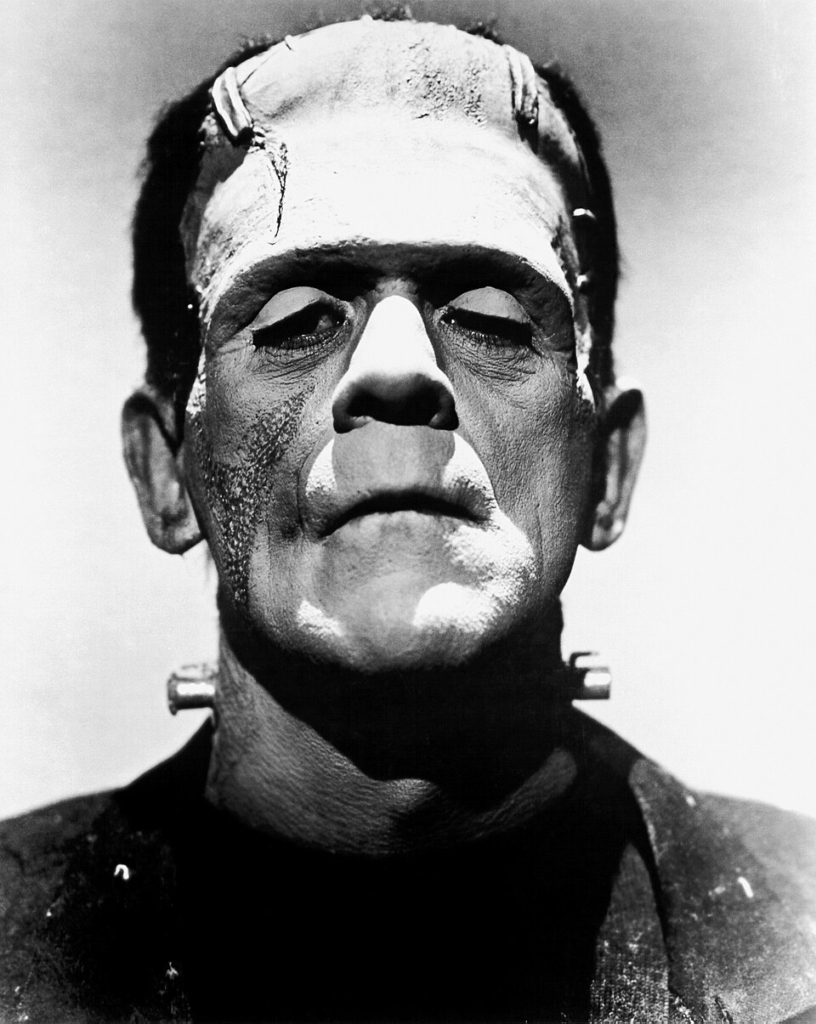
A character like Frankenstein’s monster, or The Creature, commonly incorrectly named Frankenstein (as that is Dr. Victor Frankenstein) as he is never given a real name, is an abandoned child. ‘Frankenstein’ was published in 1818 when Mary Shelley was just 20, and amazingly she was 18 when she started writing it. It was a time when Europe had a very unusual volcanic eruption*, and was plunged into this sudden winter, even though it was summer. There’s a beautiful character irony here where most people think Frankenstein is the monster, but arguably it’s the doctor; however over the course of the novel they do appear to swap character roles. The idea that the tragedy of existence, that Frankenstein’s monster is born as this beautiful tabula rasa, a “blank slate”, and seeks out kindness even collecting firewood for families, but the response from others, purely based on his appearance is one of complete rejection. So we see this idea of the child seeking their place in the world and their role in society, and how these roles can swap. There’s a lot to be learned about how we look at people, and about how characters impact us, and what we think of them just based on appearance.
*The 1815 eruption of Mount Tambora in Indonesia. The massive volcanic explosion propelled ash and aerosols into the stratosphere, blanketing the globe and triggering “The Year Without a Summer” in 1816
In real life, in so many ways, we see the polished, curated exteriors of other people on social media. Literature gives us that backstage pass into the messy, unedited interior of another human’s consciousness. The beauty of literature, of poetry, of writing, is that there’s a timelessness, and you can look back at the context, look back at the creator, and see what was happening in their world.
aslan
the Chronicles of Narnia by c. s. lewis
There are seven books in this series by C. S. Lewis, published in post-war 1950s. The character of Aslan, whilst a leader, actually subverts and follows his own rules and expectations, so he’s not simply a dictator but challenges authority, even while under the White Witch, and having to submit to her. There’s a great quote from Mr. Beaver when talking to Susan who is nervous to meet Aslan as he’s a lion and questions whether it is safe. Mr. Beaver says, “Safe? Who said anything about safe? ‘Course he isn’t safe. But he’s good. He’s the King, I tell you.” He may not be human but the sacrifice he makes for the sake of the children and his kingdom goes on to have a profound impact on the reader and you carry that into other stories that you read.
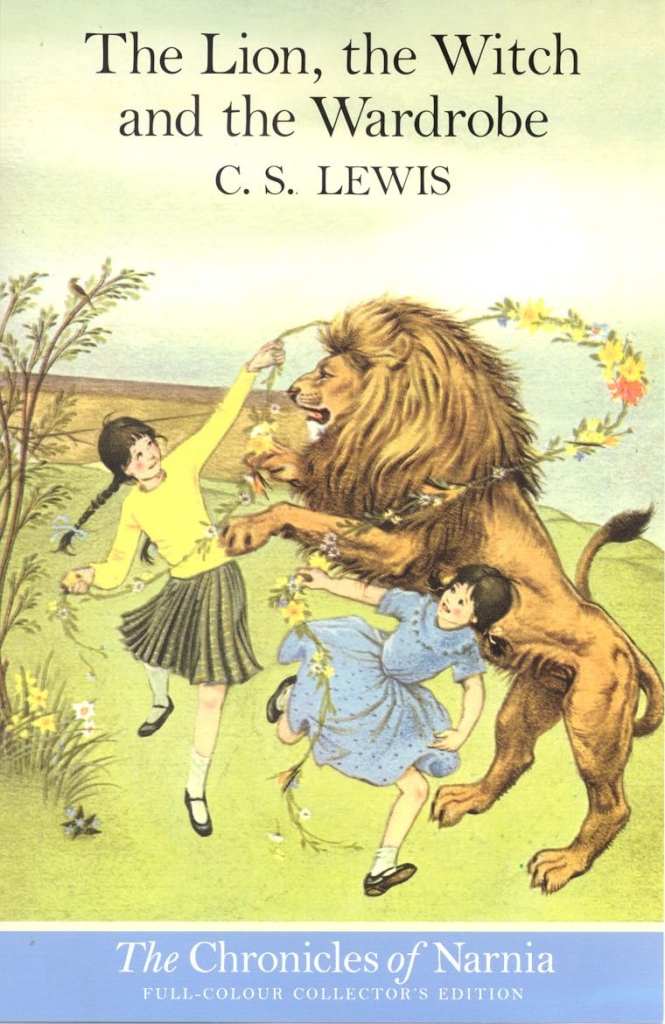
We cling onto characters we love, it’s why books are made into movies and then remade again into other movies or television series or stage productions (think ‘Charlie and the Chocolate Factory’ by Roald Dahl). There’s a curiosity amongst people who want to make connections and look at comparisons. We’re making those connections as our own storytellers. We go back to a text, maybe one we learned at school, because these new adaptations spark interest all over again.
death
The Book Thief by Markus Zusak
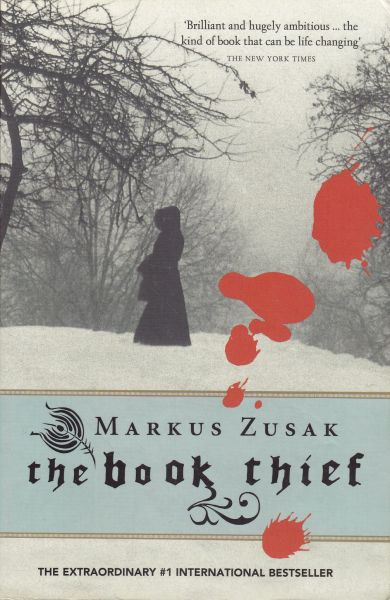
Published in 2005 the main character is Death, an omnipresent narrator, and we go into its anthropomorphised mind. It’s a great thing that students love trying to do: get into somebody or something else’s mind. The old literary trope of death is as a grim reaper with a scythe, but Zusak makes Death a kind of weary, overworked, compassionate character. When you look at the film you think about how that character is represented visually, but going back to the book, you come back to the nature of the beauty of language and the power of storytelling, because that’s all you have to work with. This resurgence of books continuing to get adapted is because of that nature of audience and storytelling being so drawn to us as texts that have impacted us continue to impact us because of their timelessness.
“Readers never go to bed alone”
In a book, there’s always company, there’s companionship, humour, and tears, all of which makes up the universal nature of storytelling through poetry and prose. That’s the beauty of picking up a book, and picking up a book again. That is the intergenerational beauty of storytelling. The idea that you pick up a book, whether it be physical, an audio book, kindle, or whatever your preference is, you’ve got that company, those conversations, the laughter, the happy moments, but also those crucible moments, the uncomfortable ones, and you get to enjoy it all from the comfort of your own home.